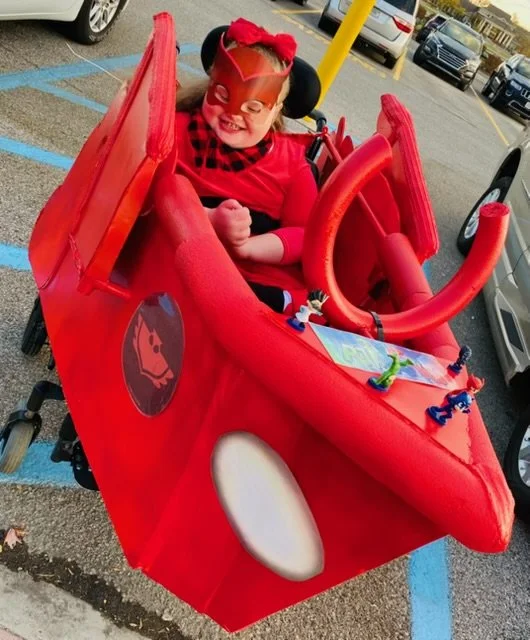
Au-Kline Syndrome: A Conversation with Dianne
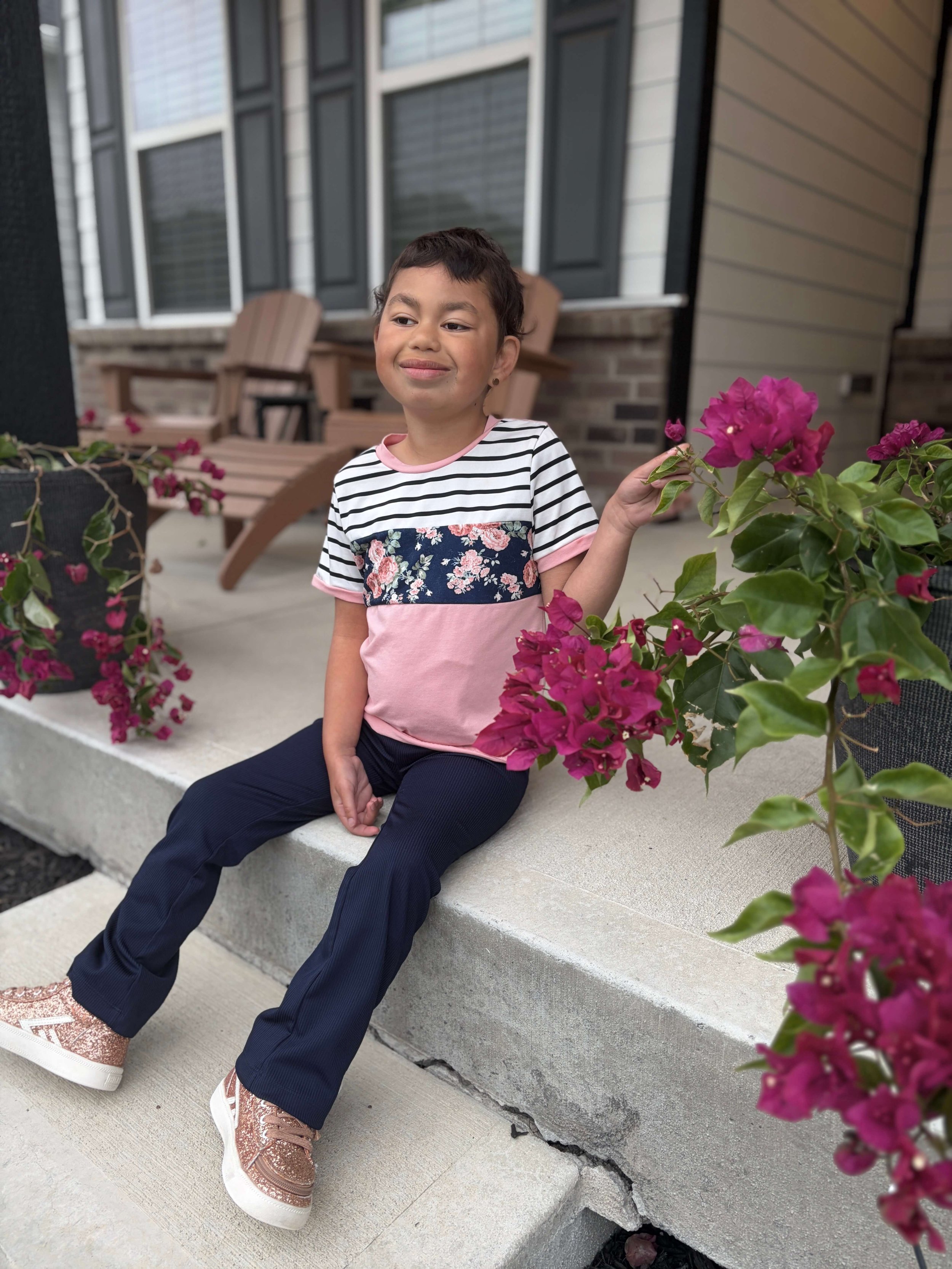
When your child receives a diagnosis so rare that even the specialist has to Google it, you quickly learn one thing: you can’t wait for someone else to have all the answers.
That was one of the biggest takeaways from Episode 3 during our conversation with Dianne, mom to eight-year-old Dru, who has Au-Kline syndrome. Au-Kline is an ultra-rare genetic disorder caused by a random mutation in the HNRNPK gene.
An Ultra-rare Diagnosis
When Dru was diagnosed, her family discovered she was approximately the 200th person in the world identified with Au-Kline syndrome.
Instead of feeling defeated, Dianne immediately searched for a Facebook support group.
For families living with rare diseases, social media groups often become living libraries of knowledge. Parents learn from each other to share symptoms, equipment recommendations, and lived experience that may never appear in medical literature.
We also discussed the value of searching for keywords within a syndrome-specific group to filter out information based on the topic you want to know more about.
*** Important note: a search on social media should be your starting point only. Please consult professionals for medical advice.
Advocacy in Action
Dianne explained that one piece of advice from an experienced Au-Kline family made a big impact on their family.
Through this Facebook group, Dianne learned about some of the common issues with Au-Kline. She then requested baseline evaluations from the appropriate specialists including neurology, orthopedics, cardiology, and urology.
That decision likely prevented a much bigger problem.
Routine monitoring uncovered a serious kidney issue that had shown no outward symptoms with her daughter. Because it was caught early, Dru received necessary treatment before things escalated into an emergency.
Learning to Navigate AAC
During the episode, we also discussed how Dru uses an AAC (Augmentative and Alternative Communication) device. Dianne explained that learning this method of communicating with her daughter took time, and she put in tremendous effort in the beginning to make AAC part of their life.
Dianne explained, “She used to complain about it, but now she reminds me if we’re walking out the door without it.” She shared that on some days even she opts to use Dru’s device herself to encourage communication. “There are days where I’m like, you know what, I’m not going to say a word and I’m going to talk on your talker too.”
Dru uses her device today to joke with her mom, communicate her needs, and even to fire therapists (yes, really!).
We also discussed the importance of presuming competence always, even and especially for individuals who are non-speaking. There are several key components for anyone new to AAC, including talking directly to the person, waiting for a response, respecting their personal space, and speaking to them in an age-appropriate manner.
Dianne’s Superpower
When asked what strength this journey had given her, Dianne noted her patience.
She explained, “Dru was 11 days late past her due date. I should have known then; it was going to be on Dru’s time.”
Dianne shared, “I can’t force her to do anything, I can’t force her to meet these milestones…I really have to be patient and go on her own time, and that’s okay.”
RESOURCES:
RELATED ARTICLES