Best Books and Movies to Help Kids Understand Disability
Companion Article for Episode 07 of The Rare Remix Podcast
In Episode 07 of The Rare Remix Podcast, we loved hearing how our nephews drew on their own experiences reading books featuring characters with disabilities.
For families who haven’t had much firsthand experience with disability, knowing how to start these conversations can feel a little tricky. But for families raising children with disabilities, these conversations matter—and they can start at home.
The good news? They don’t have to be complicated.
One of the easiest ways to make disability a more natural part of everyday conversations is to simply include it in the stories we read and watch. Adding books with characters who have disabilities to your child’s bookshelf or choosing shows that feature disabled characters helps make different ways of moving, communicating, learning, and experiencing the world feel familiar.
It also gives kids an opportunity to see beyond differences and recognize the things we all have in common.
Conversations about disability don’t have to be complicated. Here are some tips to get started:
It’s OK to use the word “disability.”
Answer questions honestly and simply.
Don’t assume physical or communication disability means intellectual disability.
Speak to the person (not exclusively to a parent, aide, or interpreter).
Explain equipment as useful tools, not something sad.
Teach children to ask before touching a wheelchair, AAC device, service animal, or someone’s body.
Encourage ordinary interaction.
Sometimes the easiest way to start the conversation is to let the story do the talking.
Whether you’re looking for new books or movies for your own child with a disability, or you’re ready to start building a more inclusive library or watchlist, we’ve gathered some suggestions below organized by age.
Books
Preschool & early elementary: Ages 3–6
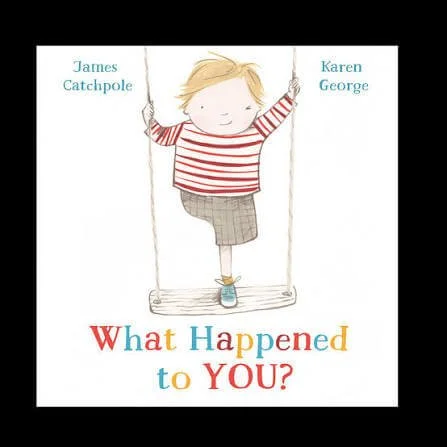
What Happened to You? — James Catchpole
A child who uses a wheelchair pushes back against intrusive questions.We Move Together — Kelly Fritsch and Anne McGuire
Mobility, accessibility, community, and working together.You’re So Amazing! — James and Lucy Catchpole
Challenges the tendency to treat disabled people as inspirational simply for existing.Can Bears Ski? — Raymond Antrobus
A young bear discovers he is deaf and begins using hearing aids.Ali and the Sea Stars — Ali Stroker
A wheelchair-using girl stages her own musical.A Little Like Magic — Sarah Kurpiel
A wheelchair user independently explores an ice festival.I Talk Like a River — Jordan Scott
A sensitive story about a child who stutters.My City Speaks — Darren Lebeuf
A blind child experiences her city through sound, touch, smell, and movement.Mama Zooms — Jane Cowen-Fletcher
An energetic everyday adventure featuring a mother who uses a wheelchair.Wanda Hears the Stars — Amy S. Hansen and Wanda Díaz Merced
The true story of a blind astronomer who studies space through sound; winner of the 2026 Schneider Award for ages 4–8.
Elementary: Ages 6–9
A Friend for Henry — Jenn Bailey
An autistic child looks for friendship in his classroom.Listen: How Evelyn Glennie, a Deaf Girl, Changed Percussion — Shannon Stocker
A true story about a Deaf musician and perseverance.The Girl Who Thought in Pictures — Julia Finley Mosca
A picture-book biography of autistic scientist Temple Grandin.Emmanuel’s Dream — Laurie Ann Thompson
The true story of Ghanaian disability advocate Emmanuel Ofosu Yeboah.Six Dots — Jen Bryant
A biography of Louis Braille and the development of Braille.Rescue & Jessica — Jessica Kensky and Patrick Downes
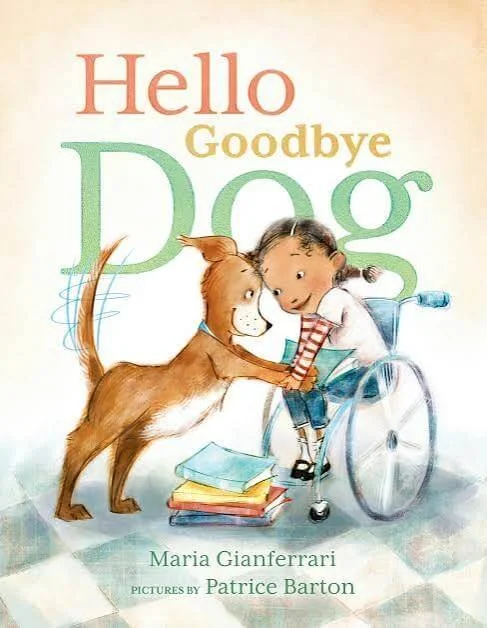
A girl adjusts to life with prosthetic legs alongside a service dog.Hello Goodbye Dog — Maria Gianferrari
A wheelchair-using girl finds a way to bring her beloved dog to school.The Pirate of Kindergarten — George Ella Lyon
A child with double vision discovers that support can make school easier.A Boy and a Jaguar — Alan Rabinowitz
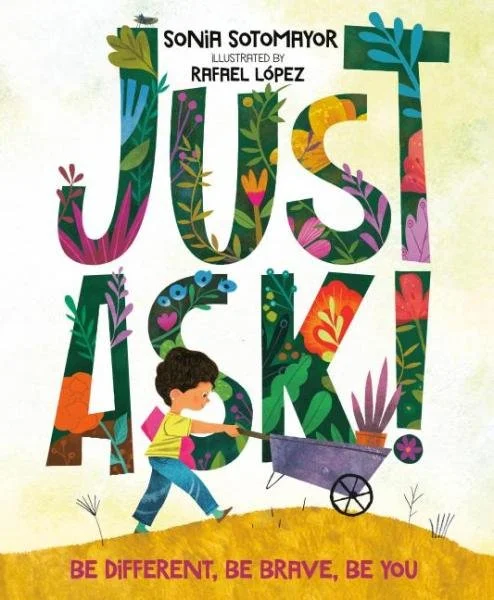
A child who stutters finds his voice through his connection with animals.Just Ask! — Sonia Sotomayor
Introduces children with different disabilities, health conditions, and ways of learning.
Middle grade: Ages 9–12
El Deafo — Cece Bell
A funny, honest graphic memoir about hearing loss, identity, and friendship.Roll with It — Jamie Sumner
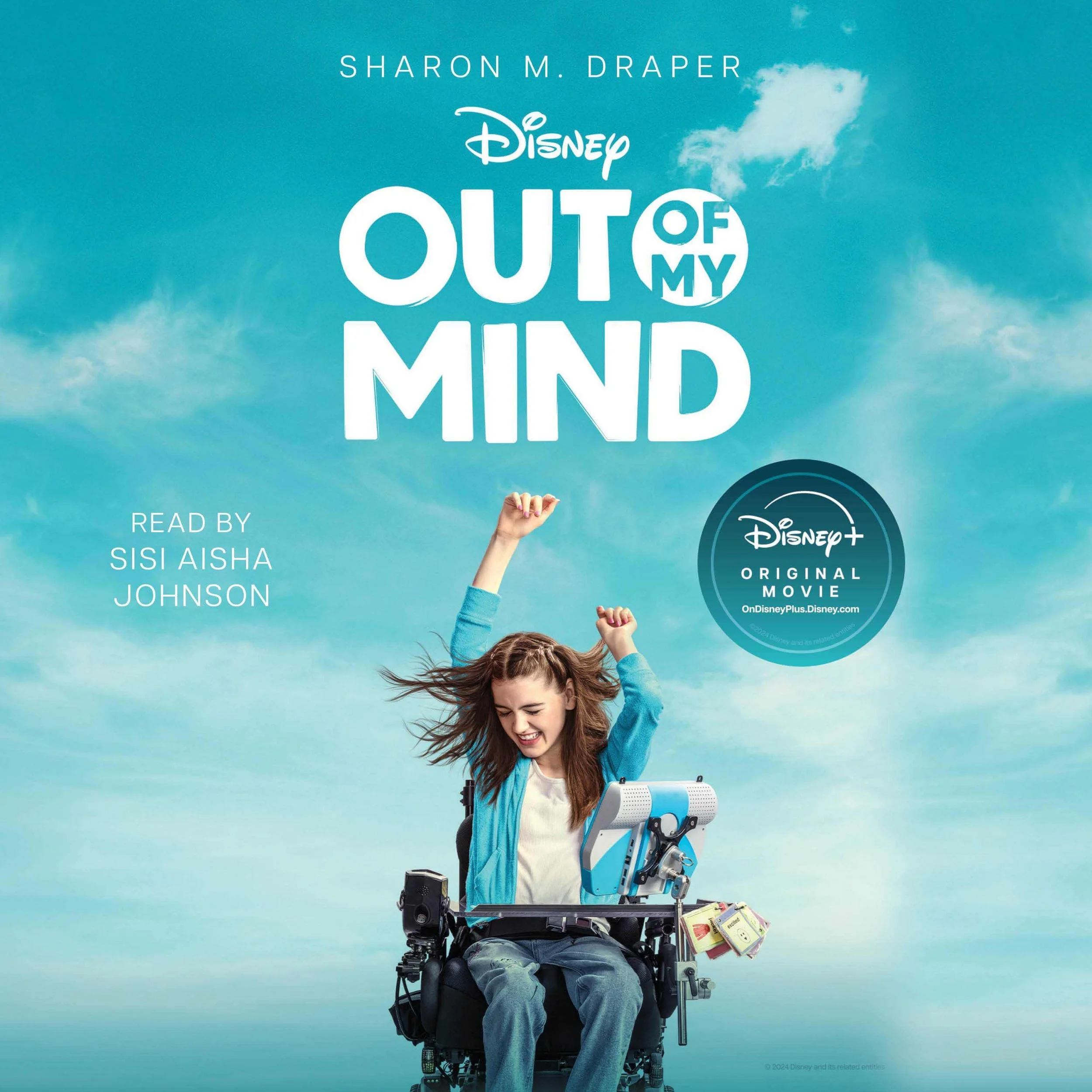
A girl with cerebral palsy navigates family, school, and independence.Out of My Mind — Sharon M. Draper
A nonspeaking girl with cerebral palsy fights to be recognized as intellectually capable.A Kind of Spark — Elle McNicoll
An autistic girl confronts exclusion and campaigns for historical recognition.Show Me a Sign — Ann Clare LeZotte
Historical fiction centered on a thriving Deaf community.Insignificant Events in the Life of a Cactus — Dusti Bowling
A girl born without arms investigates a mystery at an amusement park.Planet Earth Is Blue — Nicole Panteleakos
A nonspeaking autistic girl’s inner life, family relationships, and love of space.Song for a Whale — Lynne Kelly
A Deaf girl connects with an isolated whale through technology and sound.The Chance to Fly — Ali Stroker and Stacy Davidowitz
A wheelchair-using performer pursues musical theater.
Teen & young adult: Ages 13–17
Disability Visibility: 17 First-Person Stories for Today — edited by Alice Wong
A young-reader anthology centered on disabled people telling their own stories.The Oracle Code — Marieke Nijkamp
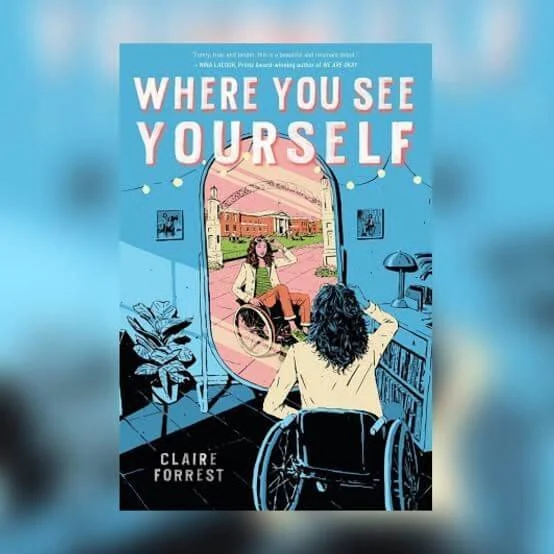
A wheelchair-using teenager investigates a mystery at a rehabilitation center.Where You See Yourself — Claire Forrest
A wheelchair user navigates college applications, accessibility, and young adulthood.Give Me a Sign — Anna Sortino
Deaf identity, romance, and community at a summer camp.On the Bright Side — Anna Sortino
Deafness, chronic illness, changing access needs, and relationships.Chronically Dolores — Maya Van Wagenen
Chronic illness, friendship, shame, and self-acceptance.The Silence Between Us — Alison Gervais
A Deaf teenager navigating a hearing school, friendships, and communication choices.
MOVIES & TV
Pre K-4:
The Able Fables YouTube Channel - A learning channel with meaningful disability representation created for children 3-5.
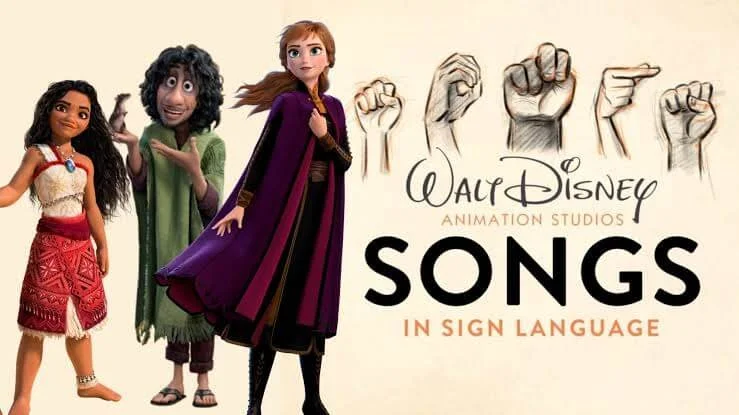
Disney Songs Animations with Sign Language (Netflix)- Ana, Mirabel, & Moana sing while using sign language.
Ages 4–6:
Loop
This short Pixar film follows a non-speaking autistic girl and a talkative boy who are paired together on a canoe trip. He eventually realizes that successful communication requires slowing down, paying attention, and learning how she experiences the world. It is an excellent introduction to sensory differences, patience, and adapting how we communicate.
Ages 7–9:
Ian: A Moving Story
This ten-minute animated short follows a boy with cerebral palsy who wants to join the other children on a playground, but encounters bullying and exclusion. It directly addresses the difference between merely being present and actually being included.
Ages 10–12:
Out of My Mind
Melody is a highly intelligent sixth grader with cerebral palsy who cannot speak and uses a wheelchair. After receiving access to communication technology and an inclusive classroom, she finally has greater opportunities to show others what she knows. This is a strong family films for discussing AAC, presuming competence, inclusion, advocacy, and the difference between being placed in a classroom and truly belonging there.
Ages 13–15:
The Peanut Butter Falcon
Zak, a young adult with Down syndrome, leaves the institution where he has been placed to pursue his dream of becoming a professional wrestler. The story emphasizes autonomy, friendship, dignity, risk, and the harm caused when other people make every decision for a disabled adult. Note: mature content.
Ages 16+:
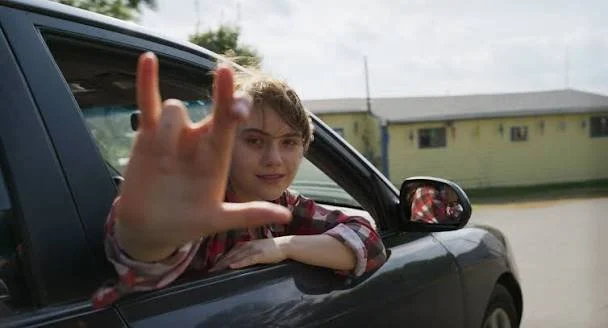
CODA (Apple TV)- As a CODA (child of deaf adults), Ruby is the only hearing person in her home. When she discovers a passion for singing, she must choose between family obligations and her dreams.
RESOURCES & LINKS
Podcast Episode Link: Episode 7
Do you have another favorite?
Email us: admin@therareremix.com
RELATED ARTICLES