Episode 09 - Down Syndrome Is the Least Interesting Thing About Her: Staci & Nate's Story
In Episode 09, Staci and Nate share about life with their family and daughters McKenzie and Amelia. The family first learned of Amelia’s Down syndrome diagnosis at birth. They talk honestly about communication, elopement and safety, public reactions, community support, and why the diagnosis may be the least interesting thing about her.
EPISODE SUMMARY
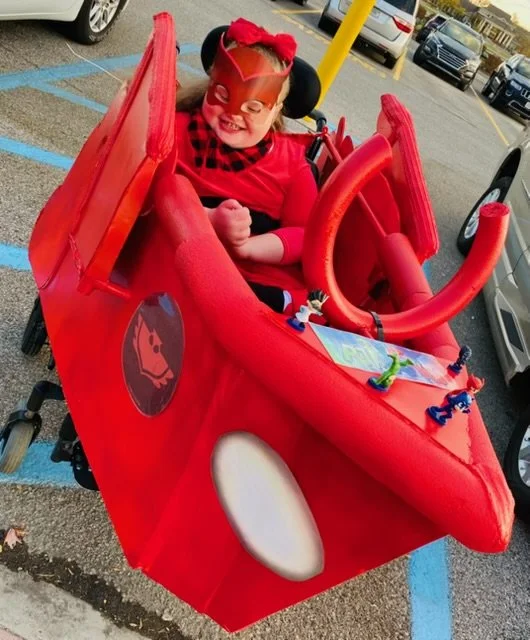
Staci and Nate introduce Amelia the way they know her: as a spunky, opinionated, deeply empathetic girl who notices when someone is hurting, looks up to her older sister, and makes her presence known. Down syndrome is part of her story, but according to her parents, it is not the most interesting thing about her.
The family first learned that Amelia was born with Down syndrome at birth. Staci and Nate also shared about their experience of losing their second daughter, Ella, at birth, and the emotional whiplash of welcoming their new baby after a traumatic loss, while suddenly facing new fears about a future they had never pictured.
Their family's experience also resists easy narratives. Amelia is highly mobile and takes part in many typical family activities, and the couple openly acknowledge that those abilities shape their experience differently from other families living with Down syndrome.
At the same time, mobile does not automatically mean easier. Elopement, impulsivity, and safety can demand constant attention, and a child who can move quickly without explaining where she is going brings a different kind of caregiving pressure. Their honesty is a reminder that every person and every family has its own hard.
Communication and inclusion run through the conversation. Amelia uses speech, but what she says is not always easy to understand, so her family often has to slow down, listen closely, and notice what her behavior may be communicating. We also discuss the balance and differences of handling public situations with children versus with adults. The lesson is not complicated: speak to the person, make room for ordinary connection, and do not let a visible diagnosis become the only thing you see.
Down syndrome community organizations, like GiGi's Playhouse, helped Staci and Nate find resources, friendships, and examples of what life can look like across the lifespan. The couple has learned to hold the future more lightly, use today's energy for today's needs, and let Amelia keep expanding their idea of what is possible.
RELATED Articles and Episodes